Rhizoctonia Blight: Brown Patch, Large Patch & Yellow Patch
If you see rings on your lawn that look like a rather small alien space craft landed on it, leaving your yard in a hurry with rings of brown or light green grass behind, you don't have to fear for your life too, too much. Its scientific name is Rhizoctonia Blight — commonly called Brown Patch, Large Patch, or Yellow Patch.
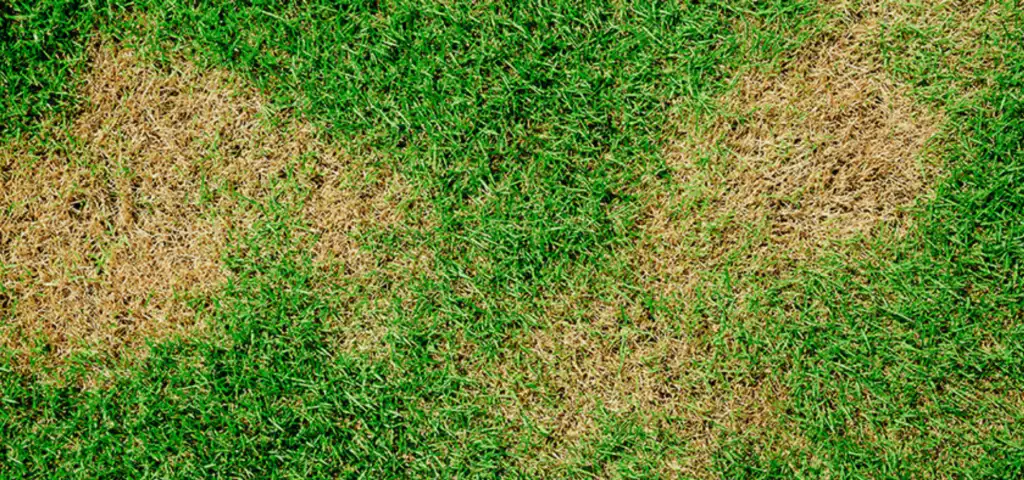
Understanding Large Patch
Large Patch affects warm season grasses and appears as a light green area in the fall. Areas can turn a bright yellow and then turn brown as the grass comes out of dormancy in the spring. Symptoms can persist in the spring during cool wet weather when it lasts for a while.
Bermudagrass usually recovers quite quickly as the weather warms up. Other grasses like Zoysiagrass take much, much more time.
Grasses Affected by Large Patch
Brown Patch and Yellow Patch here in South Florida aren't really an issue. Large Patch has an effect on several warm-season grasses and usually develops in fall and spring when the grass is going in or out of dormancy.
Bermudagrass
Recovers relatively quickly once warmer weather returns.
Zoysiagrass
Takes much, much more time to recover compared to other grasses.
St. Augustinegrass
Susceptible to Large Patch during seasonal transitions.
Kikuyugrass
Also affected by Large Patch in fall and spring seasons.
How to Control Rhizoctonia Blight
Irrigation Management
Proper irrigation and leaf wetness management are the first line of defense against Large Patch disease.
Fungicide Applications
Fungicide treatments may be important if leaf wetness and soil moisture cannot be adequately managed on their own.
Combined Approach
Your best bet is to combine cultural management techniques with fungicide applications for the most effective disease management.
Need Help with Lawn Disease?
Don't let Rhizoctonia Blight take over your lawn. Contact Sunlight Landscape today for expert diagnosis and treatment.